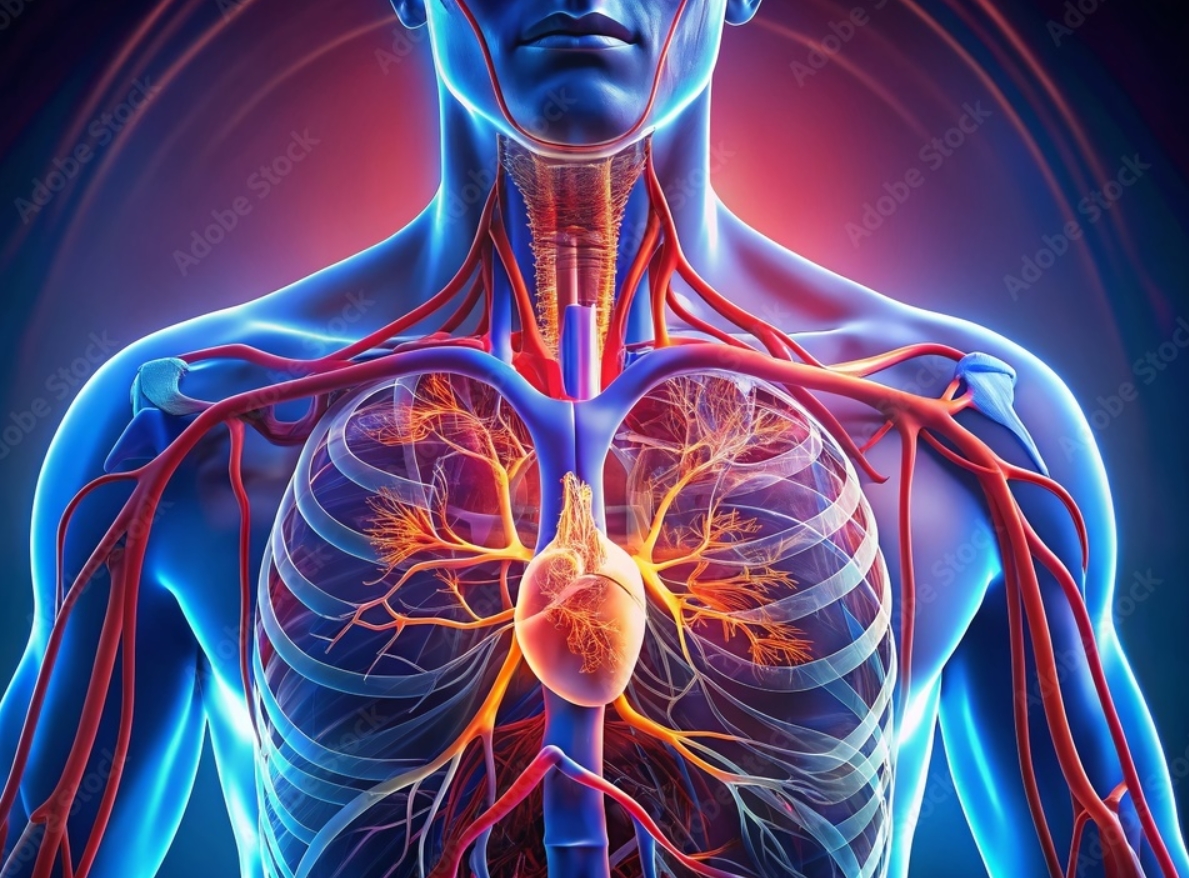
🫀 Cardiovascular Disease: Overview, Causes, and Prevention
Cardiovascular disease (CVD) is a group of conditions that affect the heart and blood vessels, including coronary artery disease, stroke, and hypertension. It is the leading cause of death worldwide, making it one of the most important topics in modern medicine. (Medical News Today)
🔬 What happens in the body?
Most cardiovascular diseases develop due to atherosclerosis, a process where fatty deposits (plaques) build up inside arteries. This leads to:
- Narrowing of blood vessels
- Reduced blood flow
- Risk of clot formation
If a clot blocks blood flow completely, it can cause:
- Heart attack (if in coronary arteries)
- Stroke (if in brain vessels) (Hopkins Medicine)
⚠️ Common Symptoms
Symptoms depend on the specific condition but often include:
- Chest pain (angina)
- Shortness of breath
- Fatigue
- Irregular heartbeat (Cleveland Clinic)
Some people may have no symptoms at all until a serious event occurs.
🧬 Risk Factors
Modifiable (you can control):
- Smoking
- Poor diet (high fat, sugar, salt)
- Lack of exercise
- Obesity
- Alcohol overuse
Non-modifiable:
- Age
- Genetics (family history)
Conditions like diabetes and high blood pressure greatly increase risk. (Cleveland Clinic)
🧪 Diagnosis
Doctors may use:
- Blood tests (cholesterol, glucose)
- ECG (electrical activity of heart)
- Imaging (CT, MRI, echocardiography)
- Stress tests
Early detection makes treatment much easier. (Cleveland Clinic)
💊 Treatment
Treatment depends on severity:
- Lifestyle changes (diet, exercise)
- Medications (e.g., statins, blood pressure drugs)
- Procedures (angioplasty, bypass surgery) (Cleveland Clinic)
🛡️ Prevention (most important part)
You can significantly reduce risk by:
- Exercising regularly
- Eating a balanced diet
- Avoiding smoking
- Maintaining healthy weight
- Controlling blood pressure and sugar
